Christopher Font: Integrating Modern Calligraphy and Decorative Lineage into Digital Design
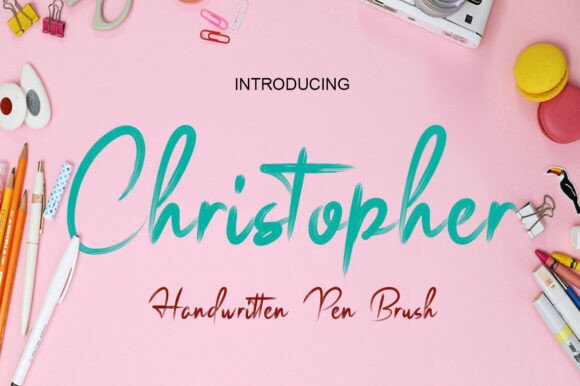
In the evolving landscape of digital typography, designers often find themselves balancing the need for efficiency with the desire for authentic, handcrafted aesthetics. Christopher emerges as a compelling solution in this space, offering a fresh, modern style that blends handmade calligraphy with decorative characters and a distinct "dancing lineage." This typeface is not merely a tool for text; it is a design asset intended to infuse warmth and personality into various creative projects, from invitations and greeting cards to branding materials and posters.
For professionals and enthusiasts alike, understanding the specific characteristics of Christopher—and how it compares to other typographic approaches—is essential for making informed decisions about visual identity and project execution. This article explores the practical applications, technical considerations, and strategic fit of Christopher within a broader design toolkit.
Defining the Aesthetic: Handmade Warmth Meets Digital Precision
The core appeal of Christopher lies in its ability to mimic the organic imperfections of human handwriting while maintaining the structural integrity required for professional use. Unlike rigid sans-serif fonts or traditional serif families that prioritize uniformity, Christopher embraces variation. The term "dancing lineage" refers to the fluid connectivity between letters, creating a rhythm that guides the eye across the page. This makes it particularly effective for contexts where emotional resonance is as important as readability.
When evaluating Christopher against standard script fonts, one notices the inclusion of decorative characters and alternative glyphs. These elements allow for customization that static fonts cannot offer. For instance, a designer working on wedding invitations can select specific swashes or ligatures to create a unique header that feels bespoke rather than templated. This level of detail transforms simple text into a graphical element, bridging the gap between typography and illustration.
Technical Accessibility and File Formats
A significant consideration for any digital asset is compatibility. Christopher is distributed in ZIP files containing both Christopher.OTF (OpenType) and Christopher.TTF (TrueType) formats. This dual-format approach ensures broad accessibility across different operating systems and software environments.
For users with advanced design software such as Adobe Illustrator or CorelDraw X versions, the OpenType features unlock the full potential of the font. These programs allow designers to access alternative glyphs, contextual alternates, and stylistic sets directly through the interface. However, not all users have access to these professional suites, nor do all projects require such complex workflows.
If you do not have programs that support OpenType features, you can still access all alternative characters using built-in system tools. On macOS, Font Book provides a straightforward way to view and copy specific glyphs. Similarly, Windows users can utilize the Character Map application to browse the available characters and insert them into their documents. This flexibility ensures that the decorative aspects of Christopher are not locked behind expensive software paywalls, making it a viable option for small business owners, hobbyists, and freelance designers who may rely on simpler word processors or graphic tools.
Comparative Analysis: When to Choose Christopher
To determine if Christopher is the right choice for your project, it is helpful to compare it with other typographic categories. Here is a breakdown of where it excels and where alternatives might be more appropriate.
Strengths and Best-Fit Scenarios
- Branding and Identity: For brands aiming to convey approachability, creativity, or artisanal quality, Christopher serves as an excellent primary or secondary typeface. It works well for logos in industries such as baking, photography, boutique retail, and wellness.
- Print Media: The font shines in high-resolution print applications like posters, quotes, and greeting cards. The decorative characters add visual interest without requiring additional graphic elements.
- Social Media Graphics: In an era where visual content drives engagement, Christopher’s distinctive style helps posts stand out in crowded feeds. It is particularly effective for quote graphics and promotional announcements.
Limitations and Tradeoffs
While Christopher offers significant aesthetic benefits, it is not a universal solution. Its decorative nature means it sacrifices some legibility at smaller sizes. Therefore, it is generally unsuitable for body text in long-form documents, legal contracts, or technical manuals. In these contexts, a clean sans-serif or serif font would be more appropriate to ensure readability and reduce cognitive load for the reader.
Additionally, overusing decorative fonts can lead to visual clutter. Designers must exercise restraint, using Christopher for headlines, accents, or short phrases rather than entire paragraphs. Balancing Christopher with a neutral complementary font is often necessary to create a harmonious layout.
Evaluating Alternatives and Complementary Styles
When researching typography options, it is common to encounter a wide array of script and handwritten fonts. Some alternatives prioritize strict realism, mimicking ink bleed and paper texture, while others focus on geometric precision. Christopher occupies a middle ground, offering a polished yet organic feel.
Compared to highly formal calligraphy fonts, Christopher feels more contemporary and relaxed. This makes it better suited for modern branding that wants to appear sophisticated but not stiff. Conversely, when compared to casual marker-style fonts, Christopher retains a level of elegance that lends itself to higher-end applications. Understanding these nuances helps designers select the right tool for the specific tone they wish to convey.
For those exploring resources, it is also worth considering the workflow implications. Fonts with extensive OpenType features require a learning curve to master. If a project has a tight deadline and the designer is unfamiliar with glyph panels, a simpler script font might be more efficient. However, the investment in learning how to utilize Christopher’s features can yield higher-quality, more customized results in the long run.
Practical Applications in Business and Creative Projects
Beyond aesthetic considerations, the practical utility of Christopher extends to various business materials. Business cards, for example, benefit from the personal touch of a handwritten style, suggesting a direct, human connection. When used sparingly on a card, perhaps for the name or title, it creates a memorable impression without compromising the clarity of contact information.
In marketing materials, such as flyers and brochures, Christopher can be used to highlight key messages or calls to action. The "dancing" quality of the letters draws attention, guiding the viewer’s eye to important information. However, consistency is key. Using the same decorative font across multiple touchpoints helps reinforce brand recognition.
For digital products, such as e-books or online courses, Christopher can enhance chapter headings or section dividers. It adds visual variety to otherwise text-heavy layouts, breaking up monotony and improving the overall user experience. Yet, designers must ensure that web browsers and devices render the font correctly, testing across platforms to maintain the intended appearance.
Making an Informed Decision
Choosing the right typography is a critical step in any design process. Christopher offers a unique blend of modern style and handmade charm, making it a versatile addition to many creative toolkits. Its strength lies in its ability to convey personality and warmth, supported by technical features that allow for customization.
However, it is not a one-size-fits-all solution. Success with Christopher depends on understanding its limitations regarding legibility and context. By pairing it with complementary fonts and using it strategically for emphasis rather than bulk text, designers can leverage its full potential. Whether you are creating invitations, branding materials, or social media content, evaluating your specific needs against the characteristics of Christopher will help you determine if it is the right fit for your project.
Ultimately, the value of Christopher lies in its capacity to humanize digital design. In a world increasingly dominated by automated and standardized visuals, the touch of handmade calligraphy offers a refreshing contrast. For those willing to explore its features and apply them with intention, Christopher provides a powerful means of expression that resonates with audiences on a deeper, more personal level.